
Overseeding Your Lawn in the Fall
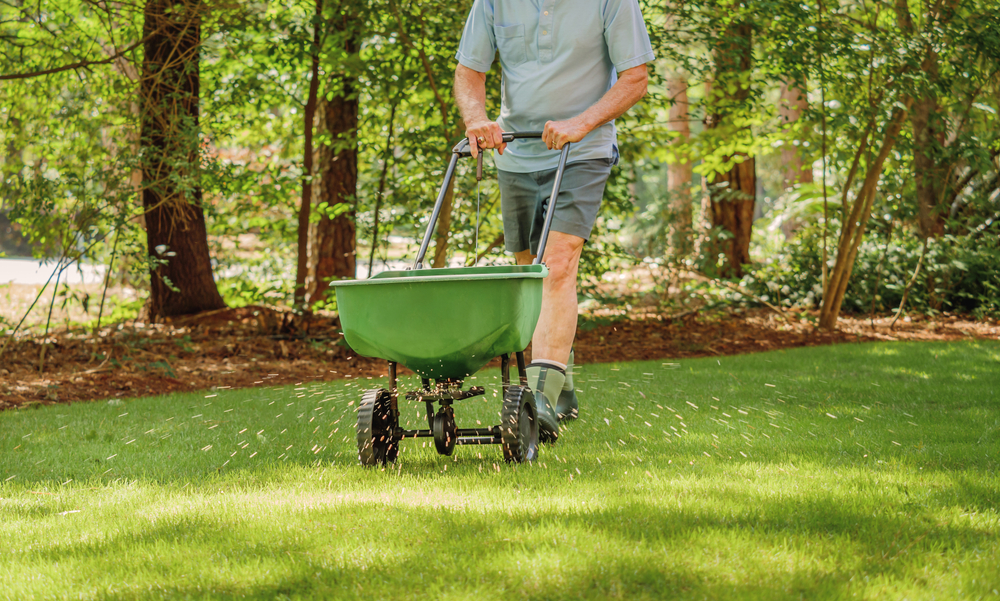
If your lawn has started to look thin, patchy, or dull in color, overseeding may be exactly what it needs. Overseeding is the process of spreading new grass seed directly into your existing lawn, without tearing up the soil or starting over completely.
Because overseeding requires the right timing, preparation, and aftercare, it’s important to partner with a professional lawn care company. This will improve your lawn’s density, fill in bare patches, and give it a lush, healthy appearance without the risk of damage. Of course, lawn care doesn’t start or end with overseeding. For the best results, it’s helpful to know how to care for your lawn both before and after overseeding.
Let’s explore how to prepare your yard for this essential landscape maintenance service and what steps you should take afterward to ensure lasting growth.
Why Fall Is the Best Time to Overseed
While overseeding can technically be done in spring, fall stands out as the most effective time of year to strengthen and revitalize your lawn. Here’s why:
Perfect Growing Conditions
Fall has cooler temperatures, which are less stressful for new grass seedlings than the heat of summer. At the same time, the soil is still warm from summer, and this creates the perfect environment for quick germination. Together, the cool air and warmer soil allow new grass to establish strong roots before winter sets in.
Less Competition From Weeds
One of the biggest challenges when growing new grass is competition from aggressive weeds. During the fall, many common weeds like crabgrass begin to die off, giving your new grass seed the best chance to thrive without being choked out.
Stronger Start for Next Spring
Overseeding in the fall allows your grass to grow and strengthen before winter. By the time spring arrives, your lawn is already thick, healthy, and prepared to green up quickly, leaving you with a head start on lawn care for the year ahead.
How to Prepare for an Overseeding Service
Once you’ve scheduled your professional overseeding service, a little prep work on your end can make a huge difference in the outcome. Taking these steps will create the perfect canvas for the new seed.
- Mow Low: About a day or two before the service, mow your lawn shorter than you normally would. A height of about 1.5 to 2 inches is ideal. This allows more sunlight and water to reach the soil surface where the new seeds will be. It’s also important to bag the clippings this time; you don’t want a layer of cut grass smothering the new seed.
- Dethatch if Necessary: Thatch is the layer of dead grass, roots, and other organic matter that accumulates between the soil surface and the green grass blades. A thin layer is healthy, but if it’s more than a half-inch thick, it can act as a barrier, preventing seeds and water from reaching the soil. A professional service can identify if dethatching is needed before they aerate.
- Water Lightly: Watering the lawn a day before the scheduled service will soften the soil. This allows the aerator to pull deeper, more effective plugs, which in turn creates better channels for the new seed to settle into.
How to Care for Your Lawn After Overseeding
The work isn’t over once the seed is down. In fact, the next few weeks are the most critical for ensuring your investment pays off. Follow these tips for a lush, dense lawn after a professional overseeding service:
Fertilize Your Lawn
Applying a starter fertilizer after overseeding helps feed your new grass with essential nutrients. Professionals often use slow-release fertilizers that encourage root development without overwhelming young plants.
Avoid Heavy Foot Traffic
New grass is delicate, so it’s important to minimize walking, mowing, or playing on the lawn until the seedlings have taken root and grown strong enough to handle regular activity.
Establish a Consistent Watering Schedule
Light, frequent watering (about once or twice a day) is recommended at first to keep the soil moist. As the seedlings establish, watering can shift to a deeper, less frequent routine. Remember that the goal of watering your new grass is to keep the top inch of soil consistently moist but not waterlogged.
Here are our recommendations for watering the weeks following your overseeding service:
- Weeks 1-2: Water lightly two to three times per day for about 10-15 minutes each time. You want to keep the seedbed damp, not create puddles.
- Weeks 3-4: As seedlings emerge, you can reduce the frequency to once a day but increase the duration. This encourages the roots to start growing deeper into the soil in search of water.
- After Week 4: Once the new grass is established and has been mowed a few times, you can return to a normal watering schedule of one to two deep waterings per week, depending on rainfall.
Follow Proper Mowing Practices
Once the new grass reaches about three inches tall, you can mow again, but be sure to use sharp blades and never cut off more than one-third of the grass height at once. This helps protect your seedlings and keeps your lawn looking fresh.
Hold Off on Weed Control
Do not apply any pre-emergent weed control products after overseeding, as this will prevent your new grass seed from growing. Wait until the new turf has been mowed at least three or four times before considering any weed treatments.
Partner With Di Sandro Landscape Group for Overseeding Services in Bucks County, PA
Are you tired of dealing with thinning grass or at a loss for how to fix the bare patches in your lawn? If you live in Bucks County or one of the neighboring areas, our lawn care professionals can help!
Overseeding is one of the best ways to revitalize your lawn, and we’re ready to guide you through the process from start to finish. We will carefully prepare your lawn with aeration, choose the right seed blend for your soil and landscape goals, and then spread the grass seeds for a thick, lush lawn.
Contact Di Sandro Landscape Group today to schedule your aeration and overseeding service and bring your lawn back to life this
Recent Posts

Creative Outdoor Lighting Ideas to Highlight Hardscapes
When thoughtfully designed, lighting enhances the beauty of hardscape features like patios, walkways, retaining walls, and outdoor living spaces while also improving safety and usability after the sun goes down.…

How Masonry Features Add Value and Beauty to Your Property
Do you want to create a backyard that seems like it was plucked straight out of a magazine dedicated to luxury homes? To achieve that truly elevated look, you need…
Fall Landscaping: Preparing Your Bucks County Yard for Winter
The winter season in Bucks County can be harsh, bringing freezing temperatures, heavy snow, and biting winds. While we bundle up indoors, our lawns are left to face the elements.…